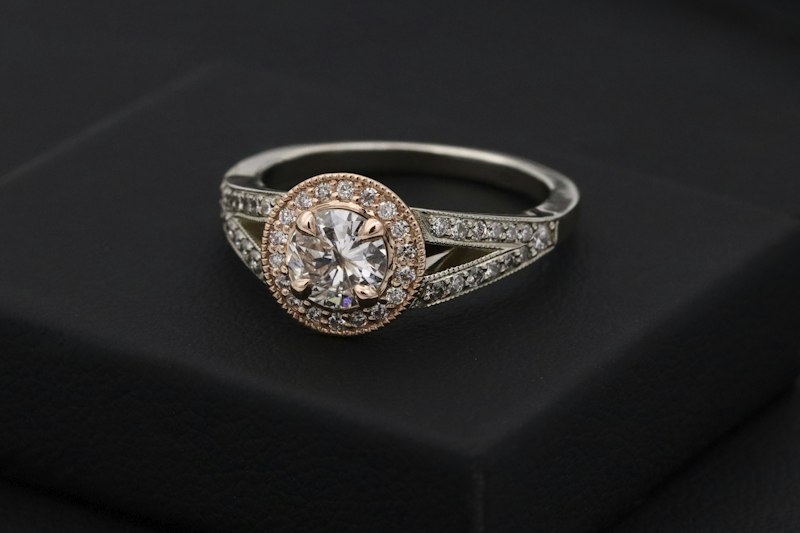
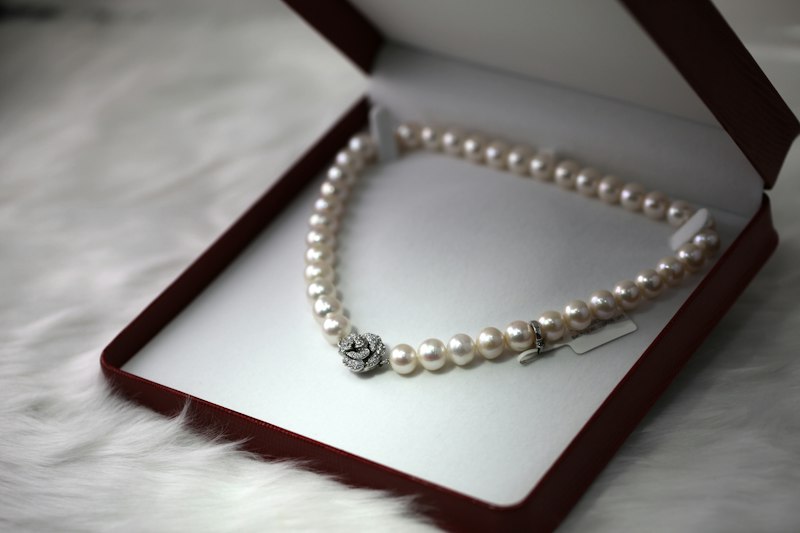
The Complete Guide to Lab-Grown Diamonds: Science, 4Cs & Ethical Value
Vishv Gadhiya
Founder & Master Gemologist • Surat Atelier
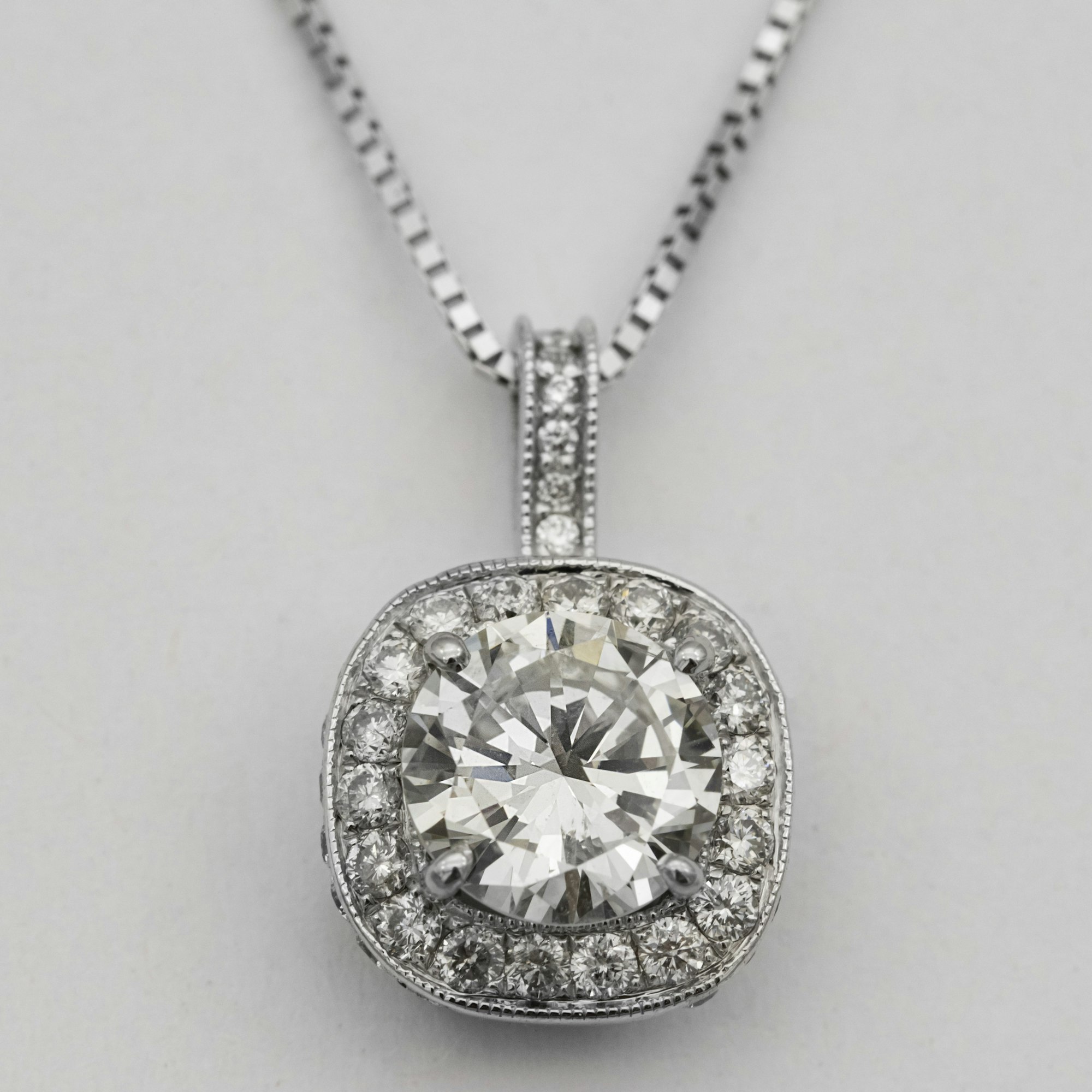
"For centuries, natural diamonds have captivated humanity as symbols of eternal love, royal prestige, and indestructible beauty. Today, the convergence of advanced plasma physics and conscious luxury has created a revolutionary reality: lab-grown diamonds. These are not cubic zirconias, moissanites, or cheap synthetic imitations. They are 100% genuine crystallized pure carbon, identical to earth-mined diamonds in every single optical, physical, and chemical parameter."
1. Are Lab-Grown Diamonds Real Diamonds?
Gemologically, scientifically, and legally: Yes, unequivocally. The Federal Trade Commission (FTC) in 2018 updated its official jewelry guides to confirm that a diamond is pure crystallized carbon in the isometric cubic system, regardless of whether it grew beneath the Earth's crust or inside a controlled high-tech plasma reactor. Both share a refractive index of 2.42, light dispersion of 0.044, a specific gravity of 3.52, and the maximum Mohs hardness of 10. They pass standard diamond thermal and electrical conductivity testers 100% of the time.
Key Gemological Highlights
- Identical cubic crystal lattice of pure carbon atoms (Type IIa purity)
- Same refractive fire (2.42) and indestructible hardness (10 Mohs)
- Cannot be distinguished from mined diamonds without photoluminescence spectroscopy
“Lab-grown diamonds are diamonds in every way that counts: in sparkle, in longevity, and in emotional resonance, without the human or environmental toll.”
2. The CVD & HPHT Creation Technologies
Lab diamonds are created through two primary state-of-the-art methods: Chemical Vapor Deposition (CVD) and High Pressure High Temperature (HPHT). CVD begins with a razor-thin diamond seed placed in a vacuum chamber heated to over 800°C. Pure carbon-rich gases (methane and hydrogen) are ionized into glowing plasma, allowing pure carbon atoms to rain down and crystallize atom-by-atom over 3 to 5 weeks. HPHT mirrors the subterranean tectonic pressures of the earth, applying 60,000 atmospheres of pressure at 1500°C.
Key Gemological Highlights
- Zero open-pit soil displacement or habitat disruption
- Significantly lower carbon footprint when powered by renewable solar grids
- Complete chain-of-custody transparency from raw seed to finished ring
3. The 4Cs in Lab Diamonds: Cut, Color, Clarity & Carat
Every lab diamond is graded by independent gemological laboratories (such as IGI and GIA) using the exact same international 4Cs rubric. In fact, because lab-grown diamonds grow in pristine, ultra-clean environments, over 98% of them achieve the coveted Type IIa grade—the rarest chemical purity category that accounts for less than 2% of all mined diamonds. At Gadhiya Jewels, our Surat atelier cuts and polishes each rough crystal to 'Triple Excellent' proportions (Cut, Symmetry, Polish).
4. The Value Proposition: Bigger Fire for Your Investment
Because lab diamonds eliminate mining overhead, heavy machinery leases, and multi-tier speculative brokers, they offer exceptional value. For the same budget, clients can acquire a significantly larger carat weight, superior clarity (VVS/VS), and top colorless grades (D-E-F) set in hallmarked 14K or 18K solid gold.
The Gadhiya Atelier Perspective
Choosing a lab-grown diamond from Gadhiya Jewels gives you uncompromised heirloom brilliance, supreme chemical purity, and the ethical peace of mind that your token of love was created with respect for people and planet.
Frequently Asked Questions
Will a lab-grown diamond ever fade or get cloudy over time?
Never. Because lab diamonds are made of pure crystallized carbon with a Mohs hardness of 10, they do not cloud, scratch, or fade. They hold their brilliance forever, exactly like earth-mined diamonds.
Can an ordinary jeweler tell if my diamond is lab-grown?
No jeweler can tell by looking at the stone through a standard loupe or with thermal diamond pens. Only specialized gemological laboratory spectrometers can detect the growth patterns and laser girdle inscription.
Vishv Gadhiya
Founder & Master Gemologist • Gadhiya Jewels Surat
Second-generation diamantaire based in Surat, Gujarat with over 15 years of precision diamond cutting and lab-grown crystal curation experience.